Sure, we're serious about academics. But there's so much more happening here—from robotics competitions to opening night performances to pickup basketball at lunch.
Walk around campus on any given afternoon and you'll find students building robots, rehearsing plays, coding apps, practicing violin, running experiments, debating foreign policy, or just hanging out. We have over 60 clubs and activities because, honestly, our students have a lot of interests and we try to keep up with them.
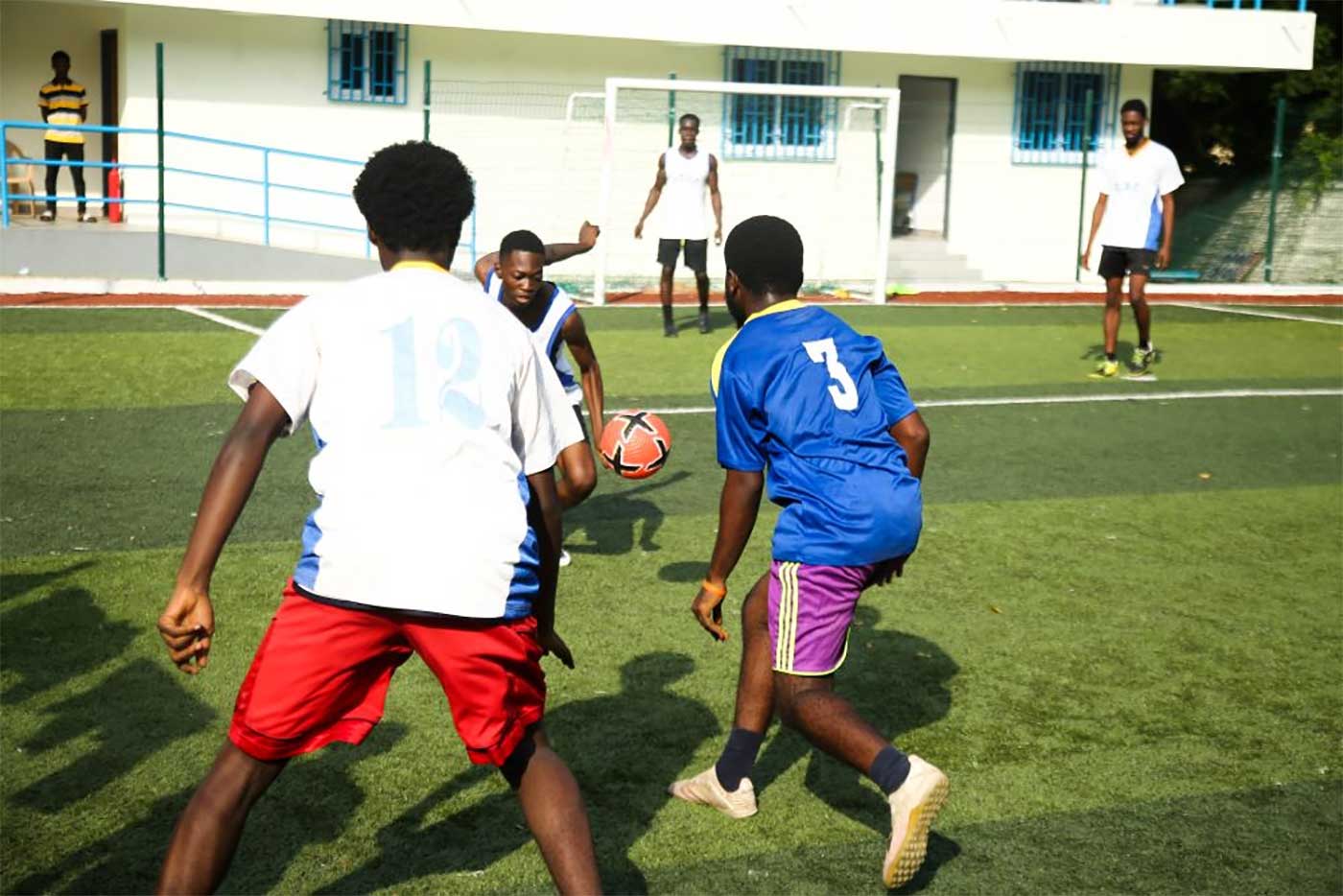
We compete hard. Our teams regularly make it to state championships, and plenty of our athletes go on to play in college. But even if you've never picked up a lacrosse stick before, there's a team for you—we value effort and improvement just as much as winning.
Real lab equipment. Like, the kind you'd see at a university. Our students do actual research here—not just following instructions from a textbook.
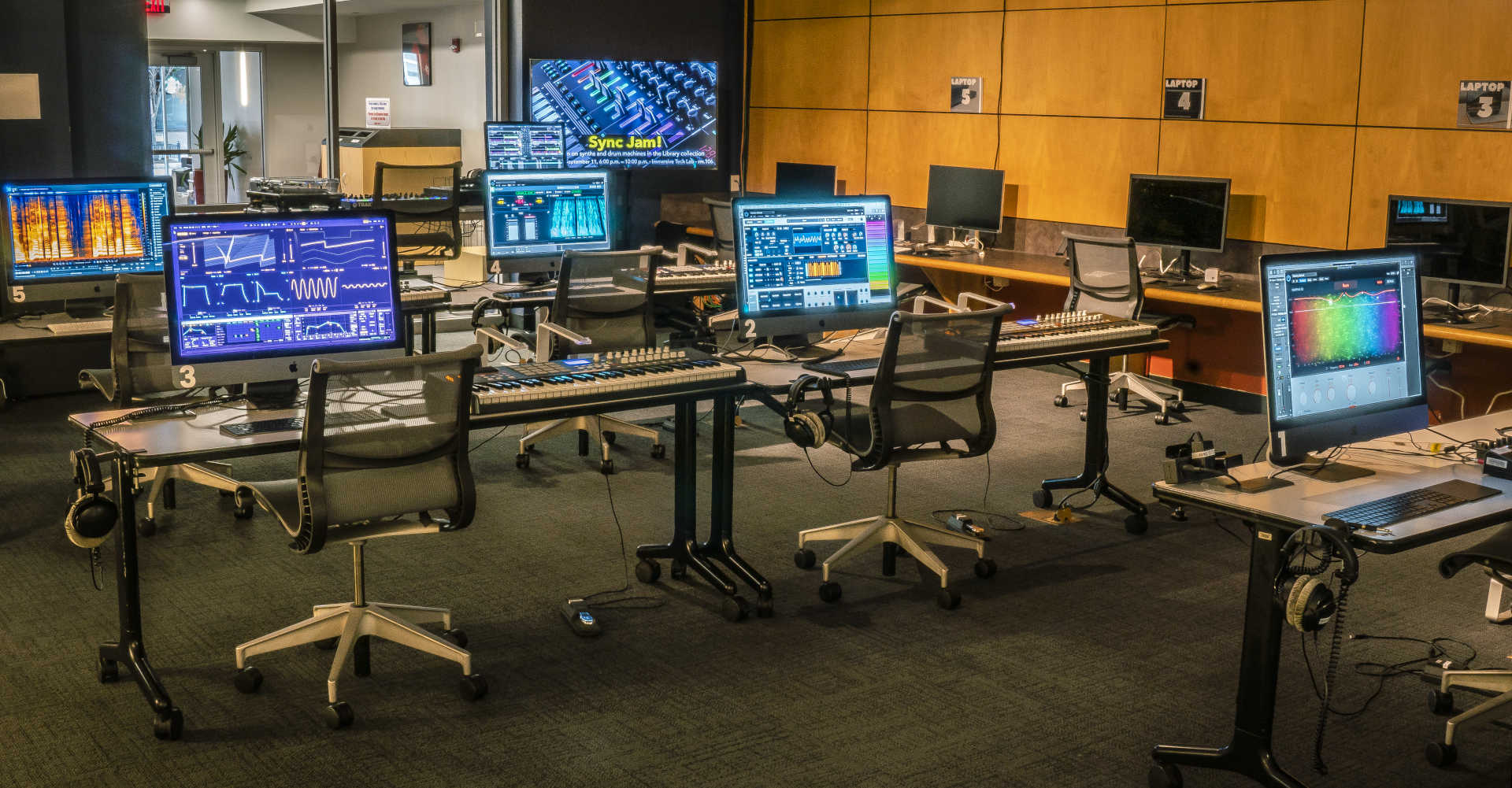
Focuses on applying knowledge to create tools, systems, or innovations. In a tech lab, engineers and developers build prototypes,test new technologis and solve real-world problems.
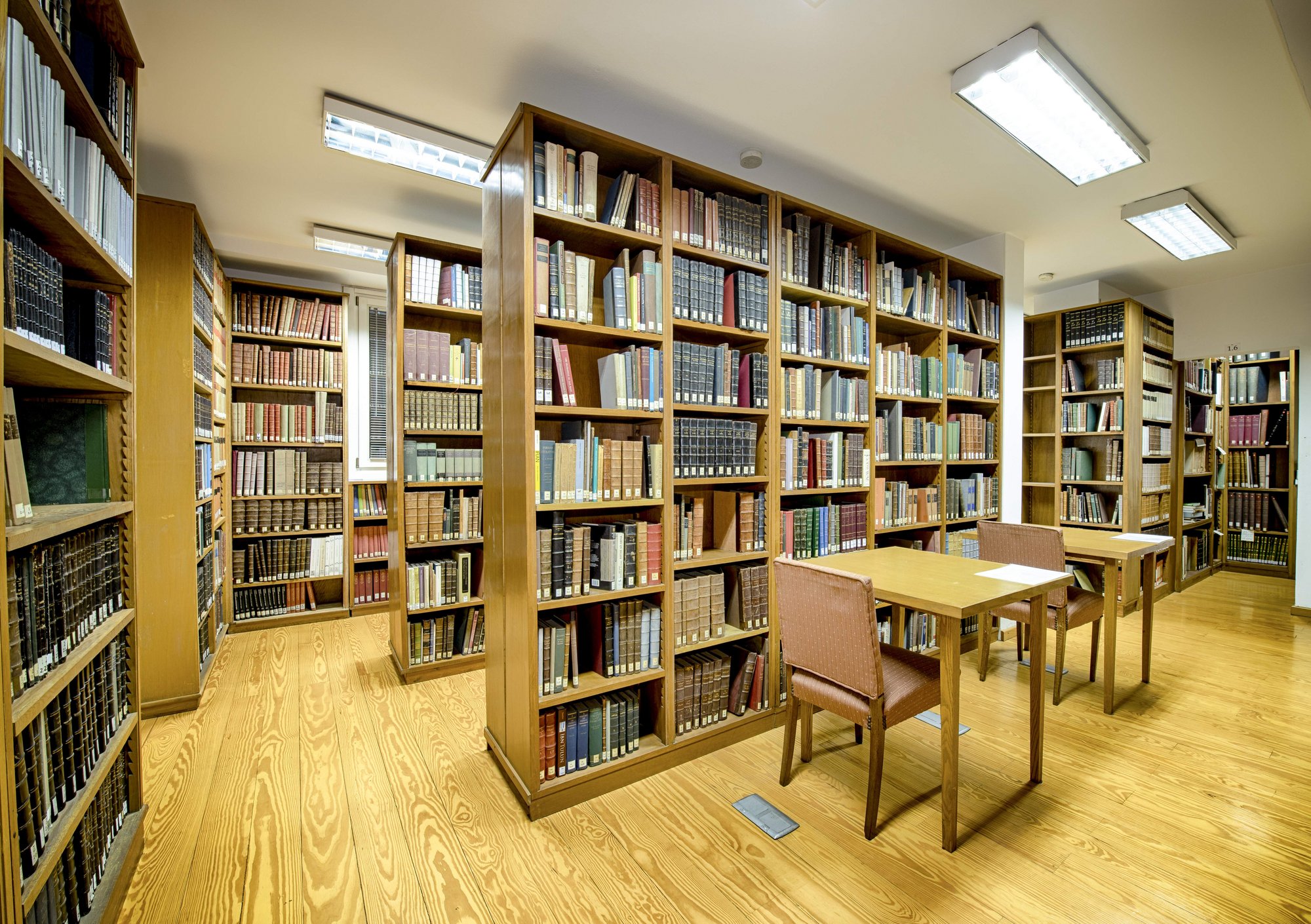
75,000 books plus online databases and research archives. The comfy chairs near the windows are prime study spots (get there early).
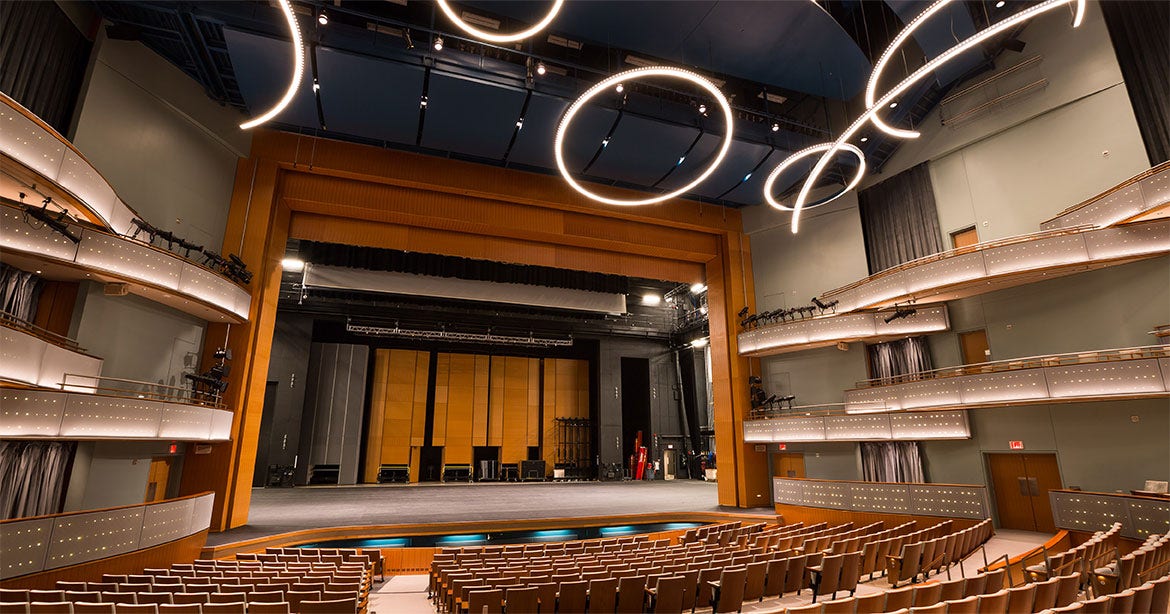
A 500-seat theater that hosts everything from student plays to visiting speakers. Plus practice rooms, a recording studio, and gallery space.
Olympic pool, two gyms, fitness center, outdoor fields and courts. Whether you're training for states or just want to shoot hoops, it's all here.
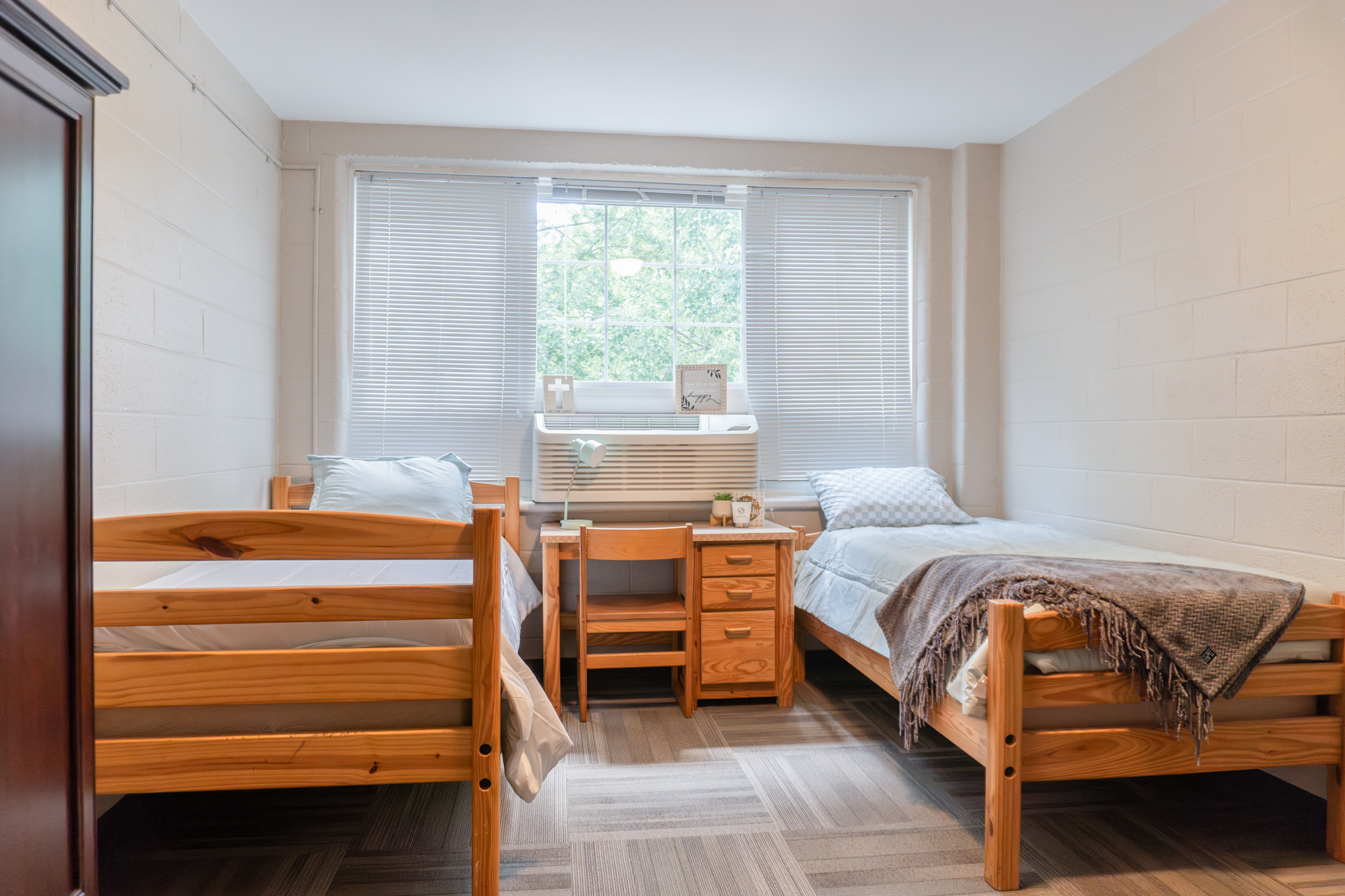
About 200 students board here. Modern rooms, study lounges, and common spaces. There's always a card game or movie night happening somewhere.
Every year, students travel for exchange programs, service projects, and summer courses at universities around the world. Some learn Mandarin in Beijing. Others volunteer in rural Peru. A few spend a semester at our partner school in Berlin.
Spend a semester or summer studying in Europe, Asia, or South America through our partner schools and universities.
We swap students with schools in 15 countries. You live with a host family, attend classes, and actually experience another culture.
Intensive courses at places like Oxford, Stanford, and MIT. These aren't tourist trips—you're taking real classes with college students.
Work on community projects abroad while learning about different cultures. Past trips have gone to Costa Rica, Ghana, and Nepal.
The best way to understand SWAG is to visit. Sit in on a class, grab lunch in the cafeteria, talk to students. We do tours pretty much every week.